

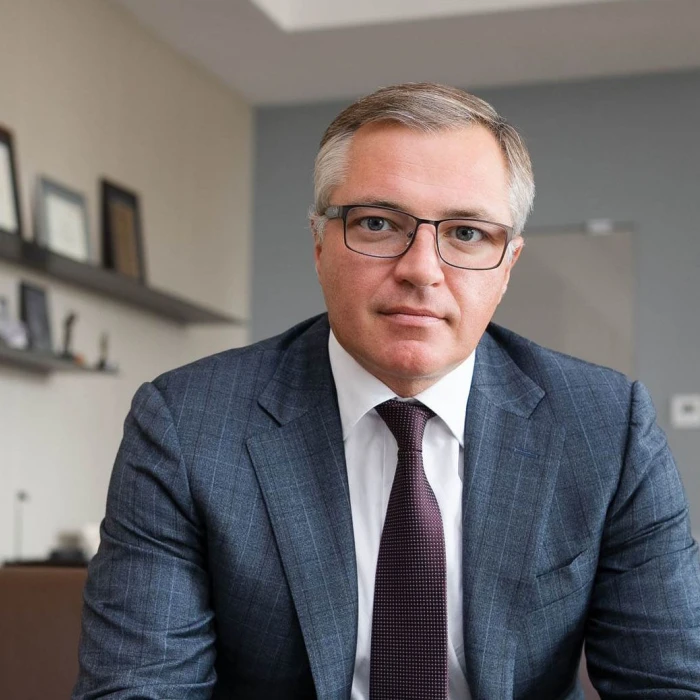
In an interview published by The Guardian, Yuriy Ryzhenkov, chief executive of our steel company Metinvest, set out his concerns about the European Union's new steel import quotas, due to take effect on 1 July 2026. He warned that the measures could place severe pressure on Ukraine's steel industry, reduce tax revenue that supports the country's defence against russia, and overlook how small Ukraine's exports are relative to the European market.
What did Metinvest's chief executive say about new steel quotas?
Mr Ryzhenkov described the EU's new approach as unfair, warning that it could "kill the Ukrainian steel industry". The bloc has halved the volume of steel that can enter tariff-free and raised the tariff to 50% on imports above each country's allocation. The stated reason is a long-running global glut of steel linked to China. Ukraine, Mr Ryzhenkov noted, is not large enough to threaten European producers, and removing a functioning industry from the market does not appear to serve anyone's interest.
Why do the new quotas matter for Ukraine?
Ukrainian steel sustains thousands of jobs and contributes hundreds of millions of euros in tax revenue, which helps fund the country's defence during the war. The quotas would also arrive alongside the EU's carbon border adjustment mechanism, which adds levies on steel produced using older blast furnace technology. Metinvest had planned to upgrade its plants to cleaner electric arc furnaces before russia's full-scale invasion in 2022, but the war has made the necessary investment of several billion euros impossible for now.
How is Metinvest operating through the war?
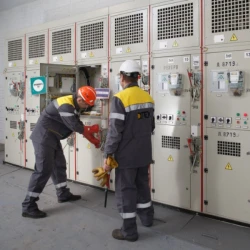
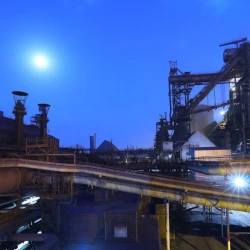
The company runs two steel plants near Zaporizhzhia and Kamianske, currently operating at around three-quarters and two-thirds of capacity. It has installed its own generators to restart production quickly after russian strikes on the power grid, and it manages repeated damage to the railways it depends on. Metinvest has also lost significant assets during the war, including the steelworks in Mariupol and its coking coalmine in Pokrovsk.
Why is this a European interest, not only a Ukrainian one?
Ukraine is an EU accession candidate and a close partner whose economy has integrated more closely with Europe since 2022. Keeping its steel industry working supports both Ukraine's resilience and Europe's wider security. Fair treatment for a partner of this kind is reasonable, and it is in Europe's own interest.
Read the full interview of Mr Ryzhenkov in The Guardian.
Read our analytical article on the issue of the European Union's new steel import quotas.