

A new report by leading Ukrainian media NV looks at Zaporizhstal, one of the largest steelworks within our steel company Metinvest and, in 2025, the source of about 45% of all steel produced in Ukraine. Working close to the front line in Zaporizhzhia, its people continue to pour metal under regular air-raid alerts. At the same time, the plant faces a perfect storm of war, reduced access to the European market and rising railway costs at home.
What is daily work like at Zaporizhstal?
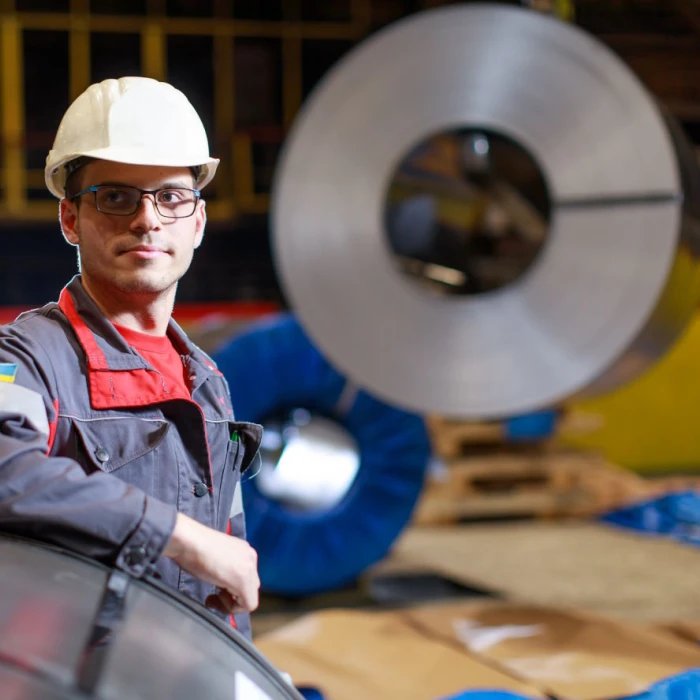
Zaporizhstal is one of the most powerful steelworks in Ukraine. It stands in Zaporizhzhia, a city that is now effectively on the front line. Around 8,200 people work there, down from 10,500 before the full-scale invasion. Conveyors run, steel melts and cranes lift white-hot ingots weighing up to 16 tonnes, while air-raid sirens sound almost without pause. To protect people, the site has 16 permanent shelters and 20 protective modules. The commitment of the workforce is clear. As senior foreman Artem Kalinevych said:
"I won't abandon the plant until the very last."
Why do market conditions now form a perfect storm?
russia's war has already reduced Ukraine's steel capacity sharply over more than a decade. In the summer of 2026 three further pressures arrived together. From 1 July the European Union cut its duty-free import quota for steel, and Ukraine's allocation fell by about 60% compared with the previous year, a loss of roughly 900,000 tonnes a year for Zaporizhstal. From 1 August, Ukrainian railway tariffs rise by 30%, with a further 15% to follow, and rail is the only realistic way to move raw materials and finished products at scale. A third pressure is the European Union's Carbon Border Adjustment Mechanism (CBAM), which places a charge of around $63 per tonne on Ukrainian steel.
What would help Zaporizhstal and Ukrainian steel?
Metinvest is not asking for special treatment. As Maryna Kupriashyna of Metinvest in Zaporizhzhia said:
"No European producer operates under constant missile attacks, destruction of infrastructure, staff shortages and high wartime risks."
The company supports fair and predictable market access and accepts the goal of cleaner production. On CBAM, sales director Volodymyr Kolomiiets has suggested that, once the war is over, revenues from the mechanism on Ukrainian products could be directed to modernising and decarbonising Ukrainian industry. The six-month period before the European Union reviews its quotas is a chance to reach a fairer outcome. Ukrainian steel, and the people who make it, deserve fair market access.