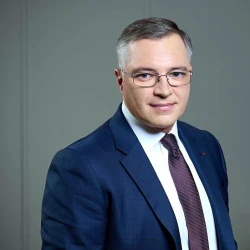


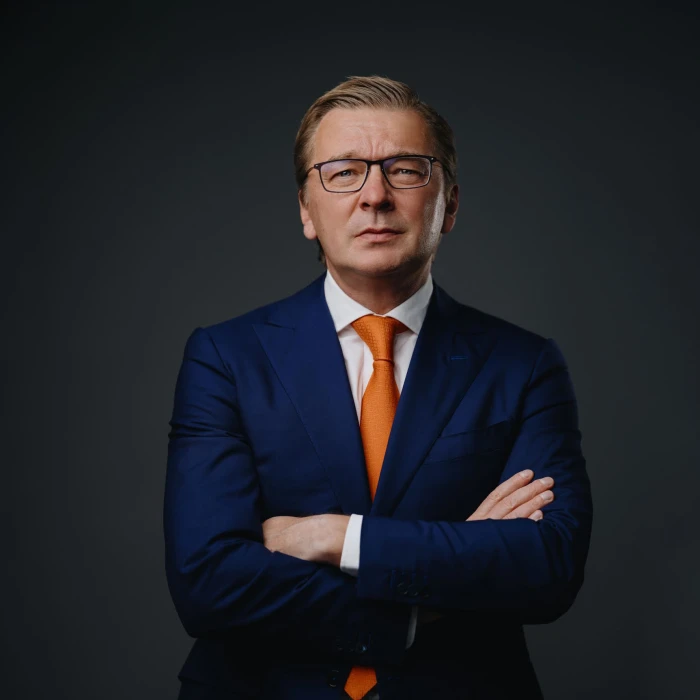
By Serhiy Palkin, CEO of Shakhtar FC
When Chelsea paid €70 million for Mykhailo Mudryk in 2023, the football world saw another Ukrainian talent heading west. What they didn't see was a business model forged in war, refined by necessity, and proven against impossible odds.
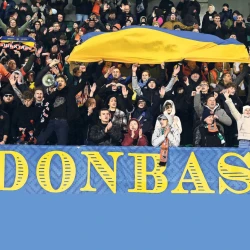
For over a decade, we haven't played a single match in our $400 million Donbass Arena. Since 2014, we've been football nomads—from Lviv to Kharkiv, Warsaw to Hamburg. Yet look at our transfer record: our five biggest sales total €273 million, while our five biggest purchases cost just €79 million. This isn't financial prudence. It's survival architecture.
Here's our reality: we must sell our best players to exist, but we must win to have players worth selling. This paradox would destroy most clubs. For us, it's become our competitive advantage.
The Two-Legged Stool
Traditional football economics rest on three pillars: matchday revenue, broadcasting rights, and commercial income. War eliminated our first pillar entirely—we have zero matchday revenue. It crippled the second and third. Our response? Build two oversized pillars that could carry the entire weight: UEFA prize money and transfer profits.
Last season, these two sources delivered 90% of our €80 million revenue. This isn't diversification—it's concentration by design. Every young Brazilian we scout, every Champions League match we win, feeds the same virtuous cycle: develop, sell, reinvest, compete, repeat.
Our biggest signing ever? Bernard at €25 million in 2013, before the war. Since then, we've sold Fred for €59 million, Teixeira for €50 million, and Mudryk for potentially €100 million. We're not just a selling club—we're a transformation factory, turning raw talent into European stars while competing at the highest level ourselves.
The Ukrainian Exception
This model makes us unique in Ukrainian football. While our rivals operate on the traditional oligarch subsidy system—opaque, unsustainable, and ultimately fragile—we publish detailed financial reports. We pay taxes. Since the full-scale invasion began in 2022, we've contributed €45 million in taxes to Ukraine's state budget.
When FIFA enacted “Annex 7” in 2022, allowing foreign players to leave Ukrainian clubs for free, they thought they were being humanitarian. Instead, they nearly destroyed us, costing us €50 million in lost transfers. Our response? Rebuild from scratch. Scout smarter. Develop faster. Win anyway.
That's why selling isn't surrender—it's strategy. Every transfer funds not just the next signing who we can develop, support our success and possibly sell on for a profit which we can reinvest. We're not choosing between success and business. In our model, they're the same thing.
Hamburg Nights and Barcelona Victories
Our exile taught us something profound: home isn't a place, it's a purpose. When we played Barcelona in Hamburg in 2023, 49,000 fans watched us win. We'd turned displacement into spectacle, exile into opportunity.
These aren't just matches—they're statements. Each Champions League night proves that Ukrainian football lives, competes, and wins at the highest level. Our young players see this. European scouts see this. The world sees this.
This visibility drives our business model. Would Chelsea have paid €70 million for Mudryk if we were playing in obscurity? Would Fred have commanded €59 million from Manchester United if we weren't regularly facing Europe's best? Our relevance is our value proposition.
Breaking the Ukrainian and Global Models
Our shareholder, Rinat Akhmetov, demands championships and playing at the highest European level. This might seem absurd for a displaced team. But this ambition is our discipline. It forces us to operate at elite standards despite impossible circumstances.
We never operated the traditional Ukrainian football model of wealthy patron, local revenue, domestic focus. We're what comes next: transparent, sustainable, globally integrated. We don't hide our finances or our strategy. Our books are open, our model is clear: sell to survive, win to stay relevant.
Some see our transfer table and see loss—stars departing for bigger leagues. I see a pipeline that's funded Ukraine's only consistent Champions League presence for a decade. I see young Brazilians dreaming of following Fernandinho's path. I see European giants recognizing that Shakhtar means quality.
We've been forced to reimagine everything: what home means, what success looks like, what a football club can be. Our stadium is now the global transfer market. Our training ground is European competition. Our identity isn't geographic—it's philosophical.
Ten years ago, we lost our home. Today, we're everywhere. That's not displacement. That's evolution.