

The second cohort of the School of Community Recovery has officially graduated in Kyiv, marking a significant step forward in the preparation for Ukraine's post-war reconstruction. Representatives from 40 communities spanning 17 regions, including frontline, de-occupied, and temporarily occupied territories, completed the comprehensive training programme. The educational project operates with the strategic partnership of the Rinat Akhmetov Foundation and the Council of Europe.
Kseniia Sukhova, Chief Executive Officer of the Rinat Akhmetov Foundation, emphasised the scale and future-oriented nature of the initiative. She noted that every community represents vital infrastructure and heritage, and that recovery efforts must be centred around people. The Foundation remains committed to supporting initiatives that establish a strong foundation for the country's future.
The intensive six-month course consisted of five modules totalling 158 hours of instruction. Participants learned from 36 Ukrainian and international experts, analysing the recovery experiences of 16 different countries. The curriculum prioritised sustainable development, economic growth, damage assessment, and the critical need to preserve human capital amid the ongoing war. The tangible result of this programme is the creation of 29 detailed recovery profiles, which will function as strategic roadmaps for local municipalities.
Oleksandr Slobozhan, Executive Director of the Association of Ukrainian Cities, highlighted the readiness of communities to attract investment and rebuild according to a standard of improvement rather than mere restoration. He stated that the primary objective is to equip communities with the necessary knowledge and frameworks to ensure the recovery process is both successful and permanent.
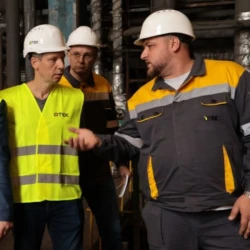
For the second consecutive year, Metinvest Polytechnic joined the initiative as an educational partner. The technical university is actively adapting its curriculum to address the practical challenges of rebuilding. Oleksandr Povazhnyi, Rector of Metinvest Polytechnic, noted that education must deliver practical outcomes and contribute immediately to the nation's recovery efforts.
The methodology of the School incorporates the practical experiences of the Mariupol Reborn project and international expertise in reconstruction following the Second World War. The primary aim is to facilitate the exchange of expert knowledge to rebuild cities damaged by russia's aggression.
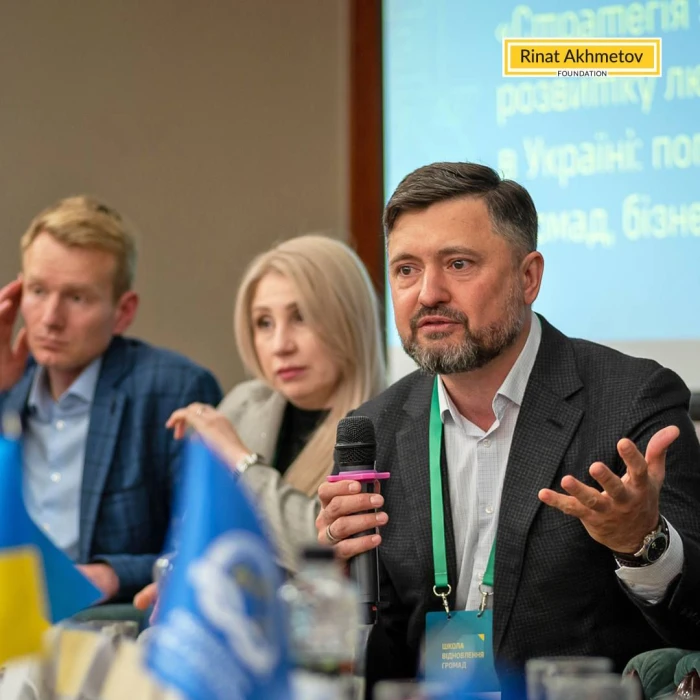
Furthermore, the graduation event featured a presentation by the Kyiv School of Economics on strategies to retain human potential in Ukraine. A panel discussion involving military personnel, business representatives, and parliament members addressed housing programmes for internally displaced persons, veteran support, and investment in frontline regions. Experts concluded that alongside security and housing, creating jobs with fair compensation is essential for maintaining the population.
The insights gained from these discussions and research will form the basis of the curriculum for the forthcoming third cohort of the School of Community Recovery, ensuring continuous adaptation to the evolving needs of Ukraine and its people.