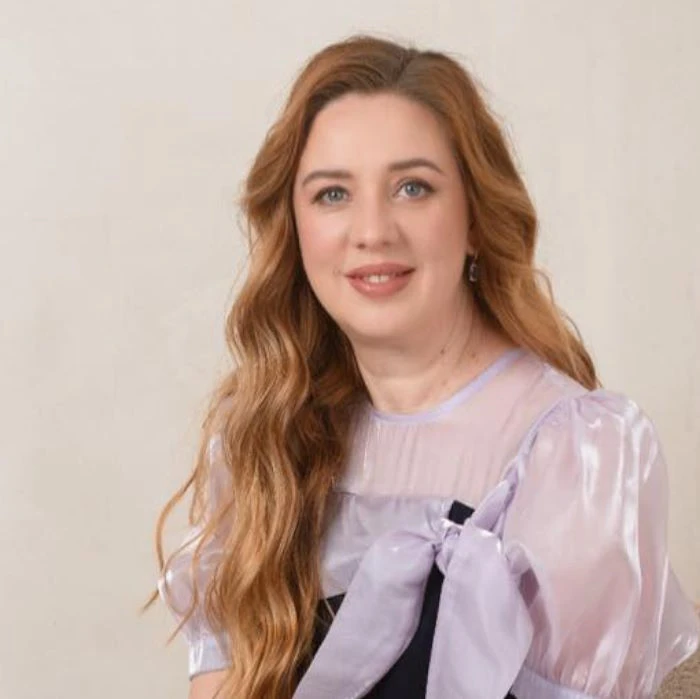
An opinion piece by Tetiana Kukhotska, Secretary of the Heart of Azovstal Supervisory Board, for obozrevatel.com.
A veteran’s return to civilian life involves more than recovering their health, adapting to new circumstances and finding a job. It also means searching for new meaning, opportunities, and answers to the question: “What do I want to do next?” For some veterans, starting their own business becomes the answer. It is not just about earning a living, but also about being able to regain a sense of control over their lives, bring their ideas to life and build a future on their own terms.
According to a study published by the Ukrainian Veterans Fund in 2024, 68.8% of the veterans surveyed said they would like to pursue entrepreneurship, while 9.4% already had their own business. Although the online survey is not representative of all veterans in Ukraine, it points to considerable interest in entrepreneurship among its participants.
This interest needs to be considered in the broader context of the return to civilian life. Supporting veterans means more than providing medical treatment, rehabilitation or employment. It is essential to create conditions that enable them to regain confidence in their own abilities, find new goals and fulfil their potential.
Post-traumatic growth begins with a sense of support
At the Heart of Azovstal, part of the Rinat Akhmetov Foundation, we view post-traumatic growth as a comprehensive process. It does not begin only when a person is ready to return to work or start planning their own business. Its foundations are laid much earlier.
Our support begins, in particular, with the families waiting for their relatives to return from captivity. These family members are often the first people to welcome veterans home after everything they have endured. They, too, need understanding, knowledge and preparation to support their relatives, give them the space they need and help them gradually adapt to life after captivity.
The next important stage is restoring health, addressing the effects of traumatic experiences, and adapting to changes in oneself and the world around us. After prolonged captivity, intense combat or other traumatic experiences, a person may need time to feel safe again, rebuild familiar relationships, come to terms with what they have been through and find new bearings in life.
When providing comprehensive support, it is also important not to overlook the next step: putting one’s potential into practice. The aim is not simply to help veterans adapt to civilian life, but to enable them to shape that life for themselves.
Two paths to professional growth
For some, this means returning to the profession they had before the war. For others, it means taking their career in an entirely new direction, learning new skills and finding work that better reflects their new needs and circumstances.
At the Heart of Azovstal, we place strong emphasis on helping defenders rebuild their professional lives. We support them in finding the right path for themselves, exploring career options, and accessing training and re-skilling. Our career mentors, some of whom are veterans themselves, provide this support on a peer-to-peer basis.
At the same time, some veterans want to do more than simply find a job — they want to create their own by starting a business. For them, entrepreneurship can be an opportunity to pursue a long-held ambition, turn a passion into a career or build something entirely new.
Running a business of their own gives people the freedom to make independent decisions, take responsibility for the outcome and see the tangible impact of their actions. It can also become an important part of post-traumatic growth — provided that entrepreneurship is the veteran’s own choice, rather than something society expects of them.
Turning experience into an advantage
Military experience does not guarantee success in business, just as entrepreneurship is not the right path for every veteran. But in the right circumstances, the skills developed through military service can provide a strong foundation for starting and growing a business.
These include the ability to navigate uncertainty, assess risk, make quick decisions, work effectively as part of a team and take responsibility for results. Military service can also build discipline, resilience and the ability to stay focused on priorities even when circumstances are constantly changing.
At the same time, it is important not to romanticise what veterans have been through. War and captivity can have serious effects on both physical and mental health. Veterans should not feel they need to prove themselves by taking on too much or constantly pushing through hardship. The role of support is to help people recognise their strengths, understand their needs and use their experience in ways that will support their future.
However, even a strong idea and a willingness to work hard are no substitute for solid business knowledge. How do you research the market? Who are your customers? How do you develop a business model, calculate costs, set prices, organise day-to-day operations and attract your first customers? Without clear answers to these questions, even a promising business can struggle when it faces its first real challenges.
That is why veterans who want to build their own businesses need more than financial support. They also need structured training, practical tools and people they can turn to for advice.
From an idea towards own business: Meeting Half Way project
With this approach in mind, Rinat Akhmetov’s Heart of Azovstal project, together with its partners, is implementing a special edition of the Meeting Half Way educational and grant programme for Mariupol defenders who want to start or grow their own businesses.
The programme is funded by FUIB and implemented in partnership with the Rinat Akhmetov Foundation, the Heart of Azovstal, Redut Business NGO and KSE Business School. Its goal is to help participants turn a business idea into a clear, actionable plan.
One of the programme’s key elements is the opportunity to develop an idea with the support of others rather than on one’s own. Participants become part of an environment where they can discuss their ideas, test their assumptions, ask questions, hear different perspectives and identify potential risks before they translate into actual financial losses.
Another key element is training that provides participants with a grounding in entrepreneurship, from developing a business model and understanding customers to financial planning and organising day-to-day business operations. Mentoring support also plays an important role. Participants do not simply acquire knowledge; they work systematically on their own projects, with opportunities to clarify details, receive feedback and refine their decisions at every stage.
The intended outcome is not simply a set of new skills, but a practical plan for launching or growing a business that participants can put into action. Grants to help start a business will also be available to those who achieve the best results.
We see this support as an investment not only in individual business ideas, but also in veterans’ own potential. After all, running a business can create jobs, strengthen local communities, build new partnerships and contribute to the country’s economic resilience.
Not simply returning to life as usual, but finding a sense of purpose
Post-traumatic growth does not mean that a person must forget what they have been through or turn their trauma into a success story. It is a process through which people gradually regain a sense of their own strength, discover a sense of purpose and reclaim their ability to shape their future.
For one veteran, this step may mean returning to their former profession. For another, it may involve learning a new trade, working as part of a team or starting a business. There is no single right path, and it is important that each person has the freedom to choose their own.
Our task is to make that choice a real opportunity. This means ensuring that veterans have their family and friends ready to support them, professionals who can help them navigate the challenging stages of recovery, and partners who can provide the knowledge and tools they need to fulfil their professional ambitions.
Starting a business does not resolve every challenge a veteran faces after returning to civilian life. But for those who want to pursue entrepreneurship, it can be an important step towards a new life — one with the room for personal decisions, ideas, responsibility and plans for the future.