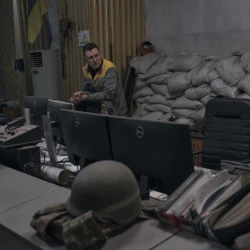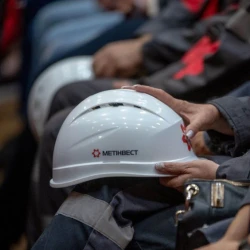
The BBC has reported on how Ukrainians are living through rolling blackouts this winter, caused by stronger Russian attacks on the energy system. Its journalists visited one of Ukraine's largest power stations, which a recent ballistic missile strike took completely offline. Maxim Timchenko, CEO of SCM's energy company DTEK, said the attacks have doubled in power and scale since last year. Despite air raid alerts every 15-30 minutes, energy workers continue to repair the damage.
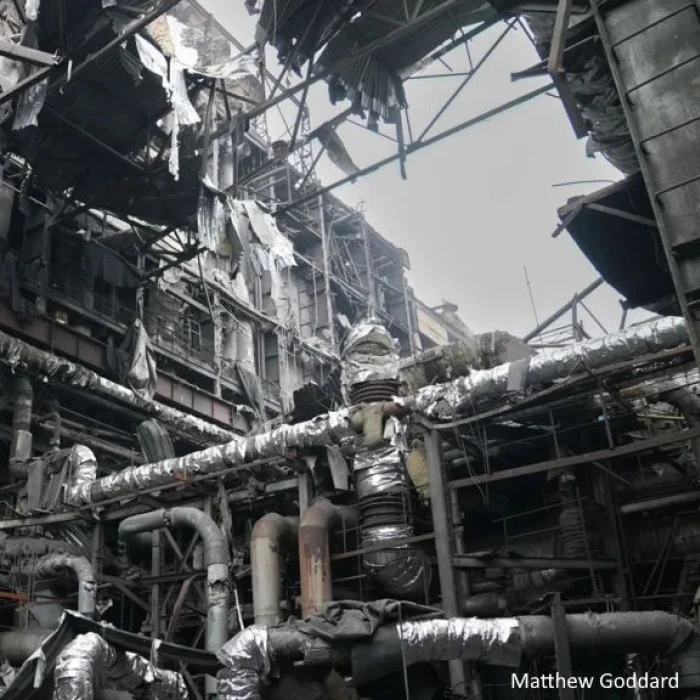
What does a power station look like after a missile strike?
The BBC found a plant reduced to twisted metal and broken pipes, with its turbines buried in rubble. The station cannot be named for security reasons. Missiles hit it at 3am in the most powerful attack of Russia's campaign against Ukrainian energy targets. During the BBC's four-hour visit, air raid alerts sounded seven times. Each time, workers had to stop and take cover.
Vadym Bobyr, who is leading the recovery effort, has worked at the plant for half his life. "It's emotionally difficult, because we've already repaired all this, got it running again, and now it's happened all over again. It hurts, but we keep working and getting things done."
How long will it take to get the station working again?
Mr Timchenko told the BBC that rebuilding the damaged station will take at least until next summer, because workers under sustained attack can only manage one or two productive hours per day. He said Russia is putting even greater pressure on the grid than last year, and that air defences cannot protect all of Ukraine's critical infrastructure.
"We are fighting for survival of not only the whole country but ordinary people, especially during winter," Mr Timchenko said.
How are families in Kyiv managing without power?
Kyiv has been hit hardest. Some families live with power cuts of up to 20 hours a day. When the electricity goes, lifts stop, water stops reaching upper floors and homes become colder. The BBC spoke to Daryna Kulchytska, a single mother of two in Kyiv, who plans dinner, homework and her own work around the power cuts. She told the BBC that, despite the fear and the cold, Ukrainians would rather live without power than live under Russian control.
What keeps Ukraine's energy workers going?
A strong sense of mission. Volodymyr Kovalenko was in the control room when the missiles hit. He followed his parents into the job, has worked at the station for 25 years, and is confident the plant can be repaired.
"Energy is the foundation of everything - people's lives, the state. Nothing can function without it. I've dedicated my entire life to this."
Since August there have been almost daily attacks on power facilities, and these attacks kill several people every week. SCM thanks every energy worker who continues to restore power to Ukrainian homes and businesses this winter.