

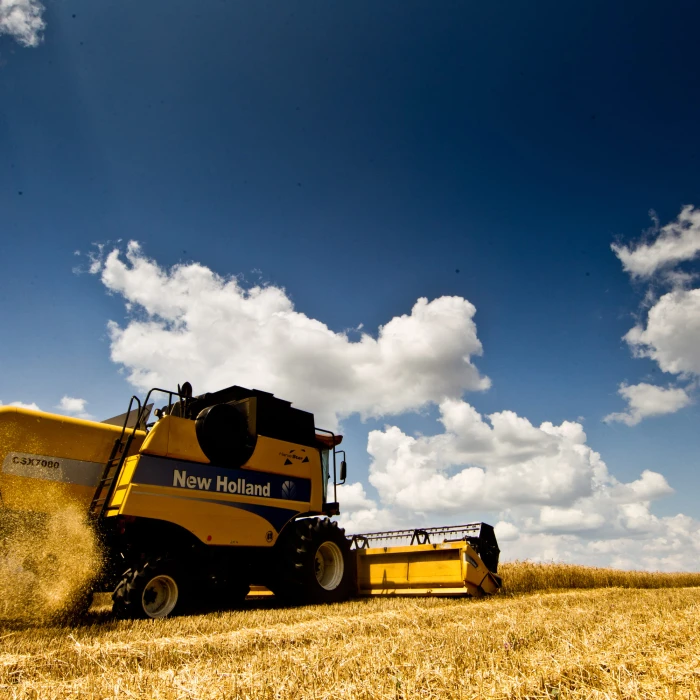
Al Jazeera has broadcast a report from a farm belonging to HarvEast, an agricultural company which is part of SCM. This year's grain has already been harvested, but russian attacks have stopped ships moving in and out of Ukrainian ports, and the sector is running out of storage. Around 90 per cent of Ukrainian grain exports travel through the Black Sea, which accounts for 20 per cent of global grain exports. Dmitry Skornyakov, Chief Executive Officer of HarvEast, told Al Jazeera that the consequences will be felt in stages: Ukrainian farmers this year, global food prices in the years that follow. HarvEast is storing wheat in plastic tubes and preparing for next year's harvest.
What did Al Jazeera report from the HarvEast farm?
Al Jazeera visited a farm operated by HarvEast in Ukraine to see the effect of russia's war on grain exports. The report set out a clear warning: if this grain does not make it out of Ukraine soon, it could cause problems for food supply around the world. The crop is in the ground no longer. It has been harvested, and it is now sitting in Ukraine with no reliable way to reach international buyers.
Why is storage becoming a problem?
The sector is running out of space to keep the grain it has already harvested. Grain is normally moved out of storage and on to ships within weeks of harvest, which frees up capacity for the next intake. russian attacks have stopped ships going into and out of Ukrainian ports, so grain that would already be at sea is still on farms. Every tonne that cannot be shipped takes up space that the next harvest will need.
Why does the Black Sea matter for global grain supply?
The Black Sea is the main route for Ukrainian grain and one of the main routes for the world. Around 90 per cent of Ukrainian grain exports go through the Black Sea. The Black Sea as a whole accounts for 20 per cent of total global grain exports. Alternative export routes are available, but they are limited in capacity and expensive to use, so they cannot replace the volume that normally moves by sea.
What did the Chief Executive of HarvEast say about the consequences?
Dmitry Skornyakov, Chief Executive Officer of HarvEast, told Al Jazeera that the consequences will arrive in stages. The first stage falls on Ukrainian farmers, who are carrying the cost this year through grain they cannot sell. The second stage is wider. In future years, the loss of Ukrainian supply is likely to be felt as inflation in food prices in other countries.
How is HarvEast responding?
HarvEast is continuing to farm and to protect the grain it has. The Al Jazeera report showed plastic storage tubes in use on the farm. Each tube holds 250 tonnes of wheat and keeps it in good condition for up to six months. This buys time for the current crop while the company carries on with field work and preparations for next year's harvest.