

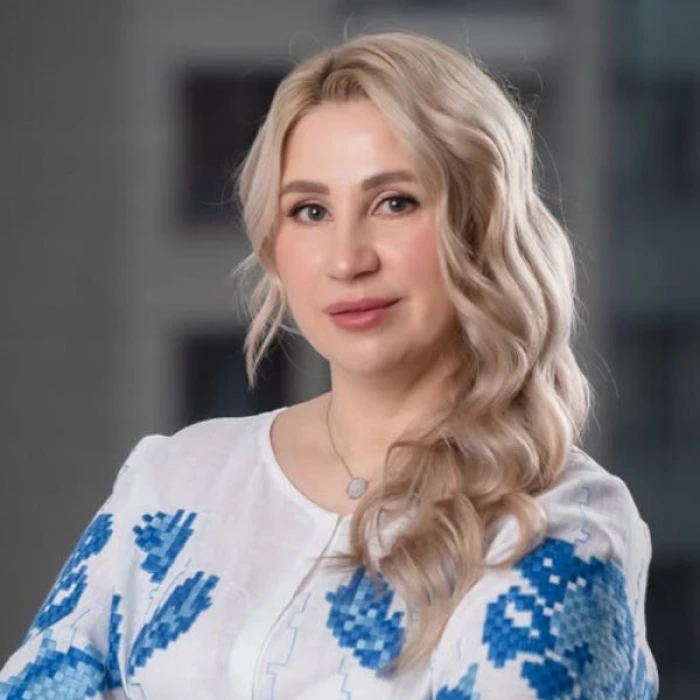
A Column by Ksenia Sukhova, CEO of Rinat Akhmetov Foundation, for delo.ua
Ukraine is now home to more than two million veterans, and this number continues to grow. As military service ends, hundreds of thousands of servicemen will return to civilian life, with many re-entering the workforce. For Ukrainian businesses, this is no longer a future concern – it is the challenge they need to start preparing for now.
The experience of the Rinat Akhmetov Foundation’s Heart of Azovstal project suggests that around 70% of veterans are ready to return to civilian careers. At the same time, about half of them say they do not want to return to the jobs they had before the war.
The reason is not salary or working conditions. War changes people, especially those who have experienced combat or endured prolonged Russian captivity. It reshapes their values, their motivations and the way they see their future. Many find themselves asking, often for the first time, “What is it that I truly want to do with my life?”
That’s why simply creating job opportunities for veterans is no longer enough. Businesses must learn how to engage with the realities of their lived experience.
Post-traumatic growth: not a theory but a veteran’s path forward
Through the Rinat Akhmetov Foundation’s Heart of Azovstal project, we work with the defenders of Mariupol – those who have endured some of the most harrowing experiences of this war. Half of all Ukrainian prisoners of war who have returned home so far have taken part in our support programmes.
This experience has taught us one fundamental lesson: there is no universal formula for veterans’ recovery. Someone who spent a year in captivity and someone who returned after four years face different challenges, recover at different paces, and have different aspirations for the future.
Therefore, in 2024, we began introducing post-traumatic growth approaches in Ukraine after learning from our American partners at Boulder Crest. Having studied their experience, we adapted these methodologies to the realities of Ukraine and integrated them into our own support system for the defenders of Mariupol.
Post-traumatic growth is not about forgetting trauma. It is about learning to live with it, transforming lived experience into a source of strength, and discovering renewed purpose in life.
For us, post-traumatic growth is not just a psychological approach – it is a veteran’s path forward.
It begins even before a service member returns from captivity, with support for their family. Once a veteran is released, post-traumatic growth coaches, who have been through the same experience, begin working with them immediately. Depending on their needs, each person receives medical care, psychological support, guidance from a career adviser and, where necessary, housing. The next stage focuses on helping veterans find a new profession, retrain or return to work.
One of the most effective tools has been the peer-to-peer model. Our coaches are former prisoners of war. They begin working with defenders while they are still in hospital and can say a few simple words that need no further explanation: “I was where you are. I went through this. And it works.”
Trust becomes the starting point of recovery.
Why this matters for business
More and more Ukrainian companies are asking themselves how they can help veterans return to work. Yet, I believe there is a more important question to ask: how do we create an environment that makes people want to return to your company?
This is where post-traumatic growth can become a practical tool for employers.
Over the past two years, the Heart of Azovstal has been implementing veteran support programmes for Ukrainian companies, including Metinvest Group and Naftogaz. Drawing on post-traumatic growth methodologies, we have developed veteran camps and decompression programmes that help people recover after military service, integrate their lived experiences, strengthen family relationships and regain the motivation to pursue their professional goals.
We have also noticed another important outcome. These programmes foster veteran communities within companies, where people support one another. Thus, employers gain not only motivated employees but also significantly higher levels of trust and loyalty.
The biggest mistake businesses can make today is to see veterans simply as people who need help.
In reality, veterans bring a unique set of experiences. They know how to make decisions in uncertain circumstances, work effectively as part of a team, take responsibility, perform under pressure and navigate crises. These are precisely the qualities that are invaluable to any company today.
Ukrainian businesses do not have to start from scratch. Civil society organisations have already accumulated substantial expertise, developed effective tools and established proven approaches to working with veterans. At the Heart of Azovstal, we are ready to share this experience, train post-traumatic growth coaches, and help companies develop their own veteran support programmes.
In the post-war years, competitive advantage will be defined not only by technology or investment. It will also depend on an organisation’s ability to see veterans not as a challenge, but as a source of potential and to help them transform their lived experience into a foundation for a new chapter in life. That is the true value of post-traumatic growth.