

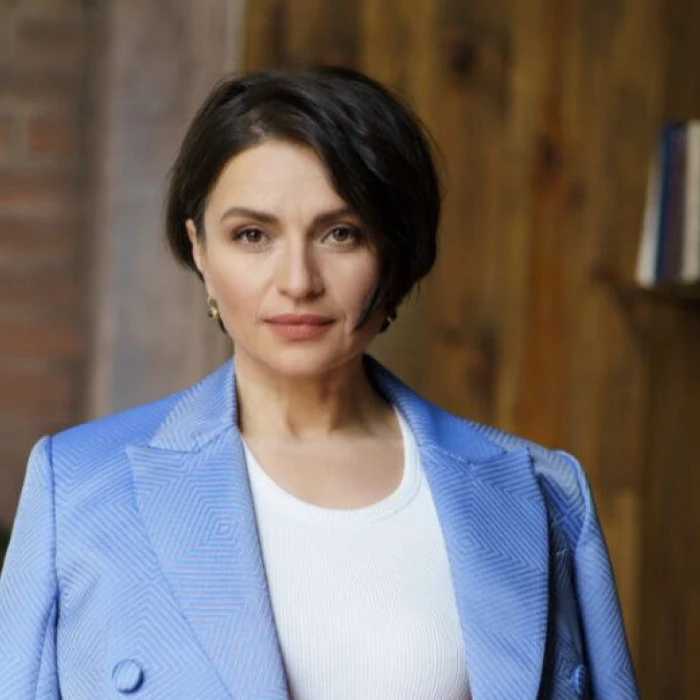
By Natalya Yemchenko, Chief Corporate Affairs Officer at SCM, Chair of the Supervisory Board of the Rinat Akhmetov Foundation
As the full-scale invasion of Ukraine grinds through its fifth year, the massive scale of human loss is already clear. President Donald Trump's former envoy Keith Kellogg has stated that Ukraine's losses are greater than the US losses during the Vietnam and Korean wars combined.
Beyond the immediate casualties, lies a profound crisis: the future of those who survive, particularly the defenders who endure the horrors of russian captivity. At Heart of Azovstal, we witness daily the long shadow cast by this war. Of the 12,000 brave Ukrainian defenders who held the city of Mariupol for 86 days against overwhelming odds, 4,500 were taken prisoner. While 5,857 Ukrainian defenders have returned home through prisoner exchanges, including 2,098 from Mariupol, many soldiers’ challenges are far from over.
russian captivity is not merely imprisonment; it is systematic torture. Our returning soldiers report beatings, mutilation, total information isolation, extreme cold, hunger, unsanitary conditions, constant psychological pressure, and the deliberate denial of medical assistance, often leading to intentional infection with diseases. The physical and psychological scars are profound. A staggering 75% require complex surgeries on bones and joints, and 20% cannot recover without intensive rehabilitation. Beyond the physical, the mental health crisis is immense: 41% suffer from anxiety disorders, 33% battle PTSD, 17% develop addictions, and a chilling 7% experience suicidal thoughts.
The ripple effects extend far beyond the individual. One in five veterans lose their ability to work, and 40% of demobilized soldiers feel lost, unsure of their next steps. Tragically, one-third of families fracture under the immense pressure after veterans return from captivity.
At Heart of Azovstal, we have built what we believe is the world's largest expertise in supporting those returning from captivity. Our approach is comprehensive and deeply personalized, guided by principles like "Nothing for defenders without defenders" and "From rehabilitation to self-realization." We start by supporting families even before defenders return, offering psychological aid and preparing them for reunification. For the veterans themselves, our programs span full physical recovery – from laboratory screenings and surgical interventions to limb prosthetics, dental care, and musculoskeletal rehabilitation. We prioritize post-traumatic growth through one-on-one counseling, psychiatrist support, group therapy, and even innovative approaches like mountain and equine therapy.
Beyond immediate health needs, we address reintegration into civilian life. We've helped over 260 families receive housing, provided career mentorship, retraining, higher education opportunities, and employment support. Our community initiatives, with 2,500 members across six chapters, foster a vital sense of belonging through sports, cultural events, and shared experiences. We partner closely with Ukrainian state bodies and have successful joint cases with American organizations like the Protez Foundation, Kind Deeds, and America's Warrior Partnership, planning to implement the model developed by DOG TAG to support veteran entrepreneurship.
Ukraine is not just fighting for its freedom; it is inadvertently becoming a living laboratory for the future of military medicine and veteran care. The lessons learned here, born from unimaginable suffering and resilience, are invaluable for any nation that faces the prospect of modern conflict.
America and European countries have been indispensable allies, and we are profoundly grateful for their support. But our partnership can and must deepen, particularly in the realm of veteran care. By investing in and learning from Ukraine’s unparalleled experience in treating and rehabilitating soldiers scarred by drone warfare and brutal captivity, the NATO countries can better prepare their own forces for the challenges of tomorrow’s battlefields. Let us continue to work together, not just to win this war, but to heal its heroes and build a future where the wounds of conflict are met with the most advanced and compassionate care the world can offer.