

This week, the Financial Times published an article examining how real-world energy transitions are beginning to outpace formal UN climate negotiations. Writing from COP30 in Belém, Brazil, columnist Pilita Clark cited DTEK — Ukraine's largest private energy company and part of the SCM group—as a striking example of this shift.
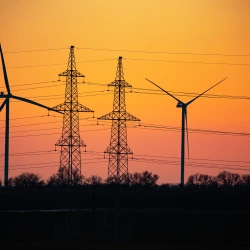
The article explored how the ongoing war has accelerated DTEK's transition from coal-fired power generation to renewable energy sources. Jeff Oatham, DTEK's Chief Sustainability Officer, explained the strategic rationale to the FT: a conventional coal power station represents a concentrated target that a single missile can disable, whereas achieving equivalent damage to a wind farm's distributed infrastructure would require approximately forty missiles.
This approach reflects the strategic vision of SCM's shareholder, Rinat Akhmetov, who has consistently advocated for renewable energy as a cornerstone of Ukraine's national security and economic development. In a country where energy infrastructure has become a primary target, distributed generation offers both environmental and defensive advantages.
Despite significant challenges—including russia's seizure of three DTEK wind farms since the full-scale invasion began in 2022—the company has continued to expand its renewable portfolio. DTEK is currently completing the first phase of a major wind farm near the Black Sea coast, which will rank among eastern Europe's largest upon completion next year. The project is complemented by 200MW of battery storage capacity.
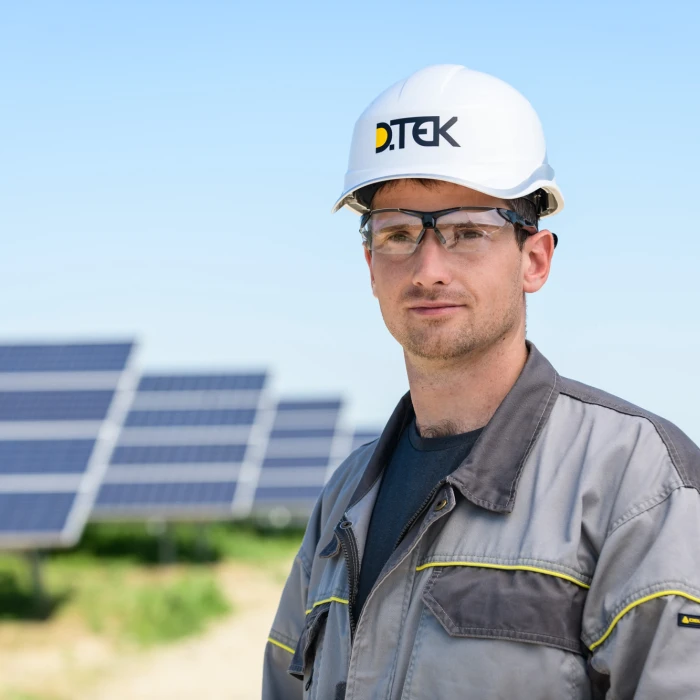
Additionally, DTEK's partnership with the UK's Octopus Energy group is delivering rooftop solar and battery storage systems to Ukrainian businesses and public sector organisations, further dispersing energy generation across the country.
The Financial Times placed Ukraine's energy transformation alongside developments in Ethiopia, Nepal, and Pakistan—countries where economic and security imperatives are driving rapid adoption of renewable technologies, demonstrating that change on the ground is now outstripping the pace of international climate negotiations.
SCM and DTEK remain committed to building the resilient, sustainable energy infrastructure that Ukraine requires—both for immediate security and for the country's European future.