

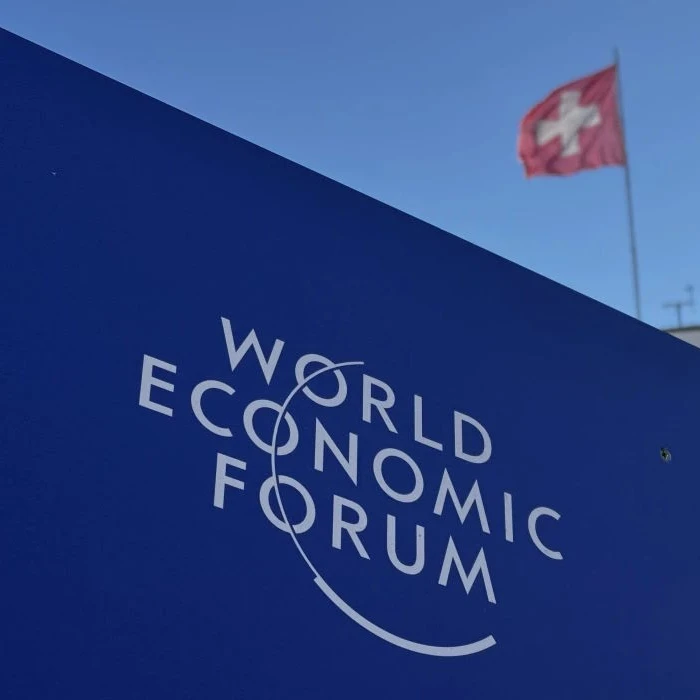
The World Economic Forum Annual Meeting in Davos has always been a platform for shaping the future, but for the Ukrainian delegation this year, the focus was firmly on surviving the present. SCM’s energy business, DTEK, attended the forum to convey a singular message: energy security and national security are now deeply linked.
A Decentralised Defence
Throughout the forum, DTEK CEO Maxim Timchenko engaged with global leaders to advocate for a fundamental shift in how we view energy systems. The war has demonstrated that large, centralised fossil fuel plants are vulnerable targets. In response, DTEK is driving a strategy of decentralisation, utilising renewable energy sources like wind and solar which are harder to destroy and quicker to repair.
A key example of this innovation shared at Davos is DTEK’s recent commissioning of a 200 MW battery energy storage system in partnership with Fluence Energy. This project, the largest of its kind in Eastern Europe, provides the flexibility needed to stabilise a grid under constant strain.
International Solidarity
Resilience cannot be built in isolation. We value the continued support from international partners, including the World Bank, EBRD, and private sector allies like Vestas and Octopus Energy.
This commercial cooperation is bolstered by significant aid from foreign governments. Following a G7+ coordination meeting, Ukraine is set to receive more than 6,000 pieces of large-scale energy equipment. This includes 447 generators from the EU, cogeneration units from Germany and Japan, and substantial financial contributions to the Energy Support Fund from the UK and Italy. These resources are critical as our engineers work 24/7 to repair damaged facilities.
The Reality on the Ground
The context for these discussions could not be more severe. DTEK has lost a significant portion of its generating capacity due to hundreds of missile and drone attacks, with damage estimated in the hundreds of millions of dollars. The company’s employees are operating in freezing conditions, often with temperatures dropping to -20°C, to restore power to hospitals, homes, and the defence industry.
While the conversations in Davos focused on long-term reconstruction and a potential "energy ceasefire," the enemy has different plans. As the forum in Switzerland was finishing, russia was stepping up its attacks on Ukrainian civilian infrastructure, launching fresh strikes on the energy grid and threatening a humanitarian catastrophe.